 Tunde — Osogbo, Osun State
You know that moment right before you do it again?
You are lying on your bed. The room is dark. Everyone else in the house is asleep. Your phone is right there and your thumb already knows where it's going. You tell yourself — this is the last time. After this, I stop for real.
You have said that before. Many times. You said it last Tuesday. You said it after that three-day fast in January. You said it the morning after your pastor preached that message that felt like it was aimed directly at your chest.
You still relapsed.
And now, at 2am, the shame is already queuing up — waiting for you on the other side of the moment. You know exactly how you will feel in fifteen minutes. Disgusted. Empty. Like you swallowed something poisonous. You know you will lie there staring at the ceiling, promising God again. You know the promise will feel real this time. And you know — somewhere in a part of you that you try not to listen to — that it probably won't stick.
Because it hasn't stuck before.
 The moment before the relapse. The room dark. The phone in hand. The promise already forming that won't stick.
But here is the thing that scares you more than the habit itself.
It is not just about the act anymore. You have started to notice something happening to you. Something that terrifies you in a way that is hard to put into words.
You are starting to notice that your real partner doesn't reach you the way the screen does.
You love her. You genuinely love her. When she calls, you are glad she called. When you are together, you enjoy her company. But when you are honest — really honest, in the 2am dark where nobody is watching — you know something is wrong. The feeling that the screen gives you is sharper. More immediate. More consuming. And the feeling you have for her — the real, warm, human feeling — is getting quieter.
Is this who I am now?
You would never say this out loud. Not to your accountability partner. Not to your pastor. Definitely not to her. But the thought visits you. Every few days. Getting louder each time.
And there are other thoughts now. Thoughts that arrive uninvited. Thoughts about other women — women you see on the street, women in the office, women in church. You don't want the thoughts. You rebuke them. But they come anyway, and they come easily, and that ease frightens you more than anything.
Because you remember when your loyalty was automatic. When you did not have to fight to stay mentally faithful. When loving one woman fully felt natural, not like a discipline you had to constantly enforce against yourself.
That man feels far away now.
You sit in church every Sunday — front row, hands raised, looking like a man who has his life together. You volunteer. You lead prayers. You take care of your responsibilities. And nobody, looking at you from the outside, would ever guess what you are carrying.
They would be so disappointed.
The gap between the man people see on Sunday and the man who is on his phone at 2am — that gap is becoming unbearable. Some days you wonder if you are even the same person. Some days the weight of that secret is the heaviest thing you carry.
And now — you are about to get married. Or you are already married. And the question is sitting right at the front of your mind, refusing to move:
What if the habit has already broken something in me that I cannot fix?
What if I walk into that marriage — or stay in this marriage — carrying this, and I am never able to give her what she deserves? What if my brain has already been rewired in a direction I cannot come back from?
You have prayed. You have fasted. You have deleted apps, set up website blockers, found accountability partners, committed with tears in your eyes. And you have failed so many times that failure has started to feel like your baseline.
Maybe this is just who I am. Maybe some men are just built like this.
No.
Stop right there.
Drop everything you are doing now and listen to every word I'm about to say.
Because I'm about to share with you a simple 21-day brain reset protocol that changed everything for me.
Our grandparents knew something we have forgotten.
Long before the internet, long before smartphones, long before the word "pornography" entered everyday conversation — the elders in Yoruba communities understood that a man's mind and a man's faithfulness were connected. They knew that what a man feeds his eyes and his thoughts will either strengthen or dissolve his capacity to love and remain loyal to one woman. They had practices — daily rituals, natural remedies, grounding exercises, verbal declarations — designed to keep a man's mind anchored to what was real, permanent, and his own.
Modern science has now spent decades catching up to what our elders already knew. Neuroscientists today talk about dopamine loops, reward pathway hijacking, desire system recalibration, and neural plasticity. But the elders of Osun State were already practising versions of these solutions hundreds of years ago — they just described them in the language of wisdom rather than laboratory reports.
The method I'm about to tell you about sits exactly at the intersection of Yoruba ancestral wisdom and modern brain science. And it was given to me, not by a therapist or a YouTube influencer, but by a 71-year-old retired school principal named Papa Kehinde — sitting under a mango tree in my mother's compound in Osogbo, on a dry-season afternoon when I was about to lose everything.
Hi, my name is Tunde.
First thing you should know about me is that I'm NOT a doctor, a pastor, or a therapist. I'm just a 24-year-old part-time teacher from Osogbo who fought this thing for almost ten years and finally found the one approach that actually worked.
I'm writing this because what happened to me should happen to more men. And because no one told me these things when I needed them most — so I'm going to tell you.
 A quiet afternoon at home in Osogbo
I was fifteen when I first saw pornography. I don't need to explain how it happened — you already know how these things happen. A phone, a friend, a moment of curiosity, and then suddenly a door opens that you don't know how to close again.
For the first year or two, I told myself it was normal. That every young man did this. That I could stop whenever I wanted. I just didn't want to yet.
By the time I was eighteen, I knew I was lying to myself.
I could not go three days without it. I had tried. I had genuinely, desperately tried. I prayed about it — the kind of prayer where you are face-down on the floor and you mean every word. I fasted. Three days of nothing but water and scripture, and I felt so clean on the other side. So free. And then on the fourth or fifth day, the urge came back and it came back harder than before, as if the fasting had given it a longer runway.
What is wrong with me?
I joined an accountability group in my church at nineteen. Five young men, a WhatsApp group, and a commitment to message each other when we were struggling. It worked for about three weeks. Then came the first relapse, and the shame of having to type those words — "I fell again" — to five men who looked up to me was so crushing that I started being dishonest in my reports. Then I stopped reporting at all. Then I quietly left the group. The accountability partnership had not broken the habit. It had just added another layer of shame on top of it.
I deleted every app. I put website blockers on my phone. I gave my password to my cousin and asked him to change it without telling me. I felt so proud of myself for twenty-four hours. Then I found a workaround. The problem was never in the phone. The problem was in my brain, and my brain was smarter than any app blocker I could install.
I found NoFap content on YouTube at twenty. American men talking about dopamine and reboots and monk mode. Helpful — genuinely helpful — for understanding what was happening in my brain. But completely disconnected from my reality. These were men talking about hitting the gym and taking cold showers in Western apartments. I was a young Yoruba man living in Osogbo, deeply embedded in church life, about to enter a committed relationship, dealing with shame that had a specifically Nigerian, specifically Christian weight to it. Their solution was not my solution.
I tried cold showers. I tried exercise. I tried keeping myself busy with ministry work — throwing myself deeper into church, leading worship, organising youth programmes. If I am too busy for the habit, the habit will die. It did not die. It waited. And the gap between my public self — the young man everyone in church admired and called a future leader — and my private self — the man alone with his phone after midnight — became the most painful thing I had ever carried.
I was twenty-three when I met Adaeze.
She was everything I had prayed for. Warm, sharp-minded, God-fearing, genuinely kind. We met at a regional youth conference and within six months I knew she was the woman I was going to marry. I was so happy. And so terrified.
Because the habit had not stopped. And I was beginning to notice something that kept me awake at night with a specific, cold fear that was different from any fear I had felt before.
Adaeze could not reach me the way the screen did.
When she called, I was glad. When we were together, I was present. I loved her — I am certain I loved her. But the emotional and physical feeling that the screen produced was sharper, more immediate, more overwhelming than anything my real relationship produced. And I knew — from the NoFap videos I had watched, from the things I had read — that this was not a spiritual problem alone. Something had changed in the wiring of my brain's desire system.
I am training my brain to want something that isn't real. And I am losing my ability to want what is.
Then the loyalty thoughts started. Small at first. A woman in the office. A woman in the congregation. Thoughts arriving uninvited and lasting longer than they used to. I rebuked them. I prayed against them. But they kept coming, and they kept coming more easily, and one evening I sat in my car in the church car park after a service and said out loud to nobody: "I don't recognise myself anymore."
I was days away from proposing to Adaeze when the fear became unbearable.
I could not enter a marriage carrying this. I could not make a vow of faithfulness to a woman while the wiring in my brain was pulling me in the opposite direction. I was not going to do that to her. And I did not know what to do.
It was during the dry-season thanksgiving at my mother's compound in Osogbo that everything changed.
You know how these family gatherings go. The compound fills up in the morning — aunties, uncles, cousins, family friends, church members. There is food being prepared from early, music playing, prayers going long. The older men sit in their corners and talk about things that happened forty years ago as if they happened last week.
After the food, when the older people had settled into conversation and the children had scattered to play in the corners of the compound, I slipped away to the mango tree at the back. It was a big tree — old, with roots that broke through the red earth in thick ropes. I used to climb it as a child. That afternoon I sat with my back against it, staring at my phone, not doing anything — just staring. Carrying the weight.
 Papa Kehinde — 71 years old. Retired principal. Lay elder. Married 43 years. He sat down without being invited. And said nothing for a full minute.
I did not hear Papa Kehinde approach. He moves quietly for a man his age. He is a small, sharp-eyed man — seventy-one years old, retired secondary school principal, lay elder in his church for over three decades, married to the same woman since 1982. In our community, when Papa Kehinde speaks, people stop their own sentences to listen. He does not speak often. But when he does, you know something true is coming.
He sat down beside me without being invited. Not asking if the space was free. Just sat down, the way old men from our tradition do when they have decided that something needs to be said.
He said nothing for a full minute. Just sat there, hands on his knees, watching the children play in the distance.
Then he said:
"You are about to marry a good woman. Why do you look like a man walking into a prison?"
I did not know what to say. I almost gave him the standard answer — I'm fine, sir, just tired. But something about the directness of the question, and the quietness in his eyes, stopped me from lying.
I said: "I am carrying something, sir. Something I don't know how to put down."
He nodded slowly. He already knew. I don't know how — maybe he had seen it in other young men. Maybe he could read it in the posture of a man who has been fighting something in private for too long. He asked me one more question:
"Is the problem inside your phone or inside your head?"
And that question cracked something open in me. Because nobody had ever asked me that before. Every solution I had ever been given assumed the problem was the phone, the apps, the access. But Papa Kehinde — a seventy-one-year-old man who barely used a smartphone — had identified in thirty seconds what I had spent nine years not seeing clearly.
The problem was never in the phone. The problem was in my brain.
He began to speak. Not in the language of neuroscience — he is not a scientist. He spoke in the language of Yoruba wisdom, in the way the elders of our communities have always spoken about the connection between the mind and a man's faithfulness.
He said: "There is a part of a man's brain that decides what he desires. And that part of the brain learns. It is always learning. If you teach it to want something new, it will forget what it used to want. This is what has been happening to you. You have been teaching your brain to want a picture. And now the picture is louder than the woman."
I felt like I had been struck by lightning.
He continued. He described, in plain language, what modern neuroscience now confirms with years of research: that repeated exposure to pornography floods the brain's reward system with an unnaturally high level of dopamine — far higher than any real human interaction can naturally produce. Over time, the brain adapts. It builds tolerance. It starts to require more stimulation to feel the same level of reward. And simultaneously, it begins to find real-world stimulation — real women, real intimacy, real emotional connection — less satisfying by comparison. The desire system gets skewed. The loyalty system weakens. The brain literally loses some of its capacity to fully desire and attach to one real person.
This wasn't just a sin I was committing. It was a rewiring that was happening to me.
Then he told me about the solution. He said he had walked young men through this protocol for years — quietly, without fanfare, in his community. He called it, in his own words: "giving your brain back to your wife before you marry her."
He described four components. First: a pattern interrupt — a specific physical and mental sequence to execute the moment a trigger appeared, before the urge could complete its familiar pathway to action. Not willpower. Not prayer alone. A specific, learnable sequence that hijacks the pattern at its starting point.
Second: a loyalty restoration practice — a daily exercise where the man trains his brain by focusing, in precise sensory detail, on specific irreplaceable things about his real partner. Not vague feelings. Specific details. The sound of her laugh in a particular moment. The exact way she holds a cup. The thing she said that one evening that nobody else could have said. Details that fantasy can never produce, because fantasy is generic and your real woman is not.
Third: a daily identity declaration — spoken out loud, every morning. A series of present-tense statements about who the man is — not who he is trying to be, but who he already is, stated as settled fact. The brain believes what it hears repeatedly. Speak the new man into existence every single day until he becomes the only man.
Fourth: the ancestral wellness practices our grandparents used to maintain mental clarity and groundedness. Scent leaf tea — efirin — every morning on an empty stomach. Bitter leaf — ewuro — twice a week. Barefoot grounding on natural earth for fifteen minutes daily, which he explained helps discharge the accumulated static tension that feeds impulsive urges. Screen-free sleep. Morning movement before any digital input. Simple. Free. Powerful.
He sat with me under that mango tree for almost two hours. By the time he stood up to go back inside, I had written the framework of what he told me in the notes app of my phone — the same phone I had been sitting there staring at with shame an hour before.
He stood, brushed the dust from his trousers, and said only:
"Do this for twenty-one days. Not because someone is watching. Because you want to be the man she deserves."
He walked back into the house. I sat there under the mango tree until the light changed.
I will be honest with you. The first five days were hard.
Nothing dramatic happened. The urges came. They were strong. I executed the pattern interrupt the way Papa Kehinde had taught me — the physical grounding step, the breath sequence, the redirect — and it helped, but it didn't feel like a victory. It felt like I was just barely holding a door closed that something very strong was pushing against.
I stayed with it.
Day 6 was the first real shift.
The trigger appeared — the usual kind, the kind that used to lead automatically to the same place — and I ran the pattern interrupt. And for the first time in nine years, the urge appeared, peaked, and then... moved past me. Like a wave that I had learned to stand in without being knocked down. I just stood there. It passed. I did not relapse. And I felt something I had not felt in years: I felt like I had a tool that actually worked.
Not willpower. Not white-knuckling. A tool. Something I could do.
I remember sitting on the edge of my bed that evening and saying out loud to the empty room: "Okay. Okay. This is real."
Day 10 broke me open in a way I was not expecting.
I was doing the loyalty restoration exercise — the daily practice where you focus on specific, irreplaceable details about your real partner. Papa Kehinde had told me to get as sensory and specific as I could. So I sat quietly, eyes closed, and I brought to mind a specific memory: Adaeze, on a Sunday afternoon in Lagos, reading something on her phone and laughing to herself before she even looked up to tell me what was funny. The specific sound of that laugh. The specific way she glanced at me afterward — half-sharing the joke, half-checking if I was listening.
I started to cry.
Not the crying of shame. Different from that. The crying of something returning — like feeling coming back into a limb that had been numb for too long. I sat there and cried for about five minutes, and when I was done I felt something warm and genuine in my chest that I had not felt for her in a long time. Real desire. Not performance. Not habit. Real.
That was the day I knew this was actually working.
I continued. Every day. The pattern interrupt. The loyalty restoration journal. The identity declaration. The efirin tea every morning — I sourced it from the market three streets from my house, the same market where my mother buys vegetables. The barefoot grounding in the small patch of earth behind our compound at sunrise. The screen-free sleep. All of it. Every single day.
Day 18. Adaeze called.
We had been talking every few days as usual. But this call was different almost from the first minute. She paused mid-conversation and said:
"Tunde, I don't know what you have been doing but you feel different. You feel like you are actually here when you talk to me. Like you are not somewhere else in your head anymore. I like it."
 "Tunde, I don't know what you have been doing but you feel different. You feel like you are actually here when you talk to me." — Adaeze, Day 18
I didn't say anything for a moment. I just held the phone and felt the words settle into my chest.
She did not know what I had been doing. I had not told her. She had noticed entirely on her own — noticed a change in my presence, my attention, my emotional availability — without any explanation from me.
That was the confirmation I needed. The protocol was working — not just internally, but in ways that the woman who loved me could feel across a phone call.
I wasn't the only young man Papa Kehinde had spoken with that afternoon.
Later in the gathering I learned that he had quietly pulled two other men aside at separate moments. One was my cousin Biodun — 28, recently married, who had confessed to Papa Kehinde in a low voice between the prayers and the food that something felt broken between him and his wife, that he felt like a stranger in his own desire. The other was a family friend named Rotimi — 26, engaged, terrified of his own thoughts.
Biodun called me three weeks later. He said: "Brother, my wife asked me last night if I had been to see a doctor. She said I seem more present. More here. She doesn't know what changed but she said she feels safe in a way she hasn't felt since we got married."
Rotimi sent me a voice note on WhatsApp on Day 22 of his own practice. He was crying in it — good crying, the same kind I had cried on Day 10. He said: "The exercise where you focus on the specific details about her — Tunde, that thing reached something in me I thought was gone. I thought my capacity to feel that way was finished. It wasn't finished. It was just buried."
Three men. Same gathering. Same mango tree. Same protocol. Same results.
That was when I started to understand that what Papa Kehinde had given us was not a personal favour. It was something that needed to be shared.
Within two weeks of completing my own 21 days, word had spread.
First it was men from the thanksgiving gathering asking quiet questions. Then men from my church — young men who had noticed something different about me, men who had been carrying the same weight and had been watching to see if anyone they knew ever put it down. My phone was filling up with messages. WhatsApp voice notes at odd hours from men I barely knew, asking if I could walk them through what I had done.
I was spending three, four hours a day trying to explain the protocol to individual men, one message at a time. Writing out the same explanations over and over. Sending the same voice notes. It was not sustainable — and more importantly, the men were not getting the full protocol. They were getting pieces of it, out of order, without the structure and the daily framework that makes it actually work.
So I sat down and wrote everything out. Properly. Completely. Every element Papa Kehinde had taught me, combined with everything I had learned from my own nine years of research, failure, and eventual breakthrough. I built it into a structured 21-day protocol — with daily exercises, a tracker, the ancestral wellness practices fully explained, the written tools, the relapse guidance — all in one place.
I put everything — the full 21-day protocol, the daily exercises, the ancestral wellness practices, the tracker, the relapse guide — inside one simple document you can read privately, on your phone, tonight.
How Pornography Dismantles Your Brain's Loyalty System — And the 21-Day Neural Reset Protocol That Gives Every Man Genuine, Permanent Freedom
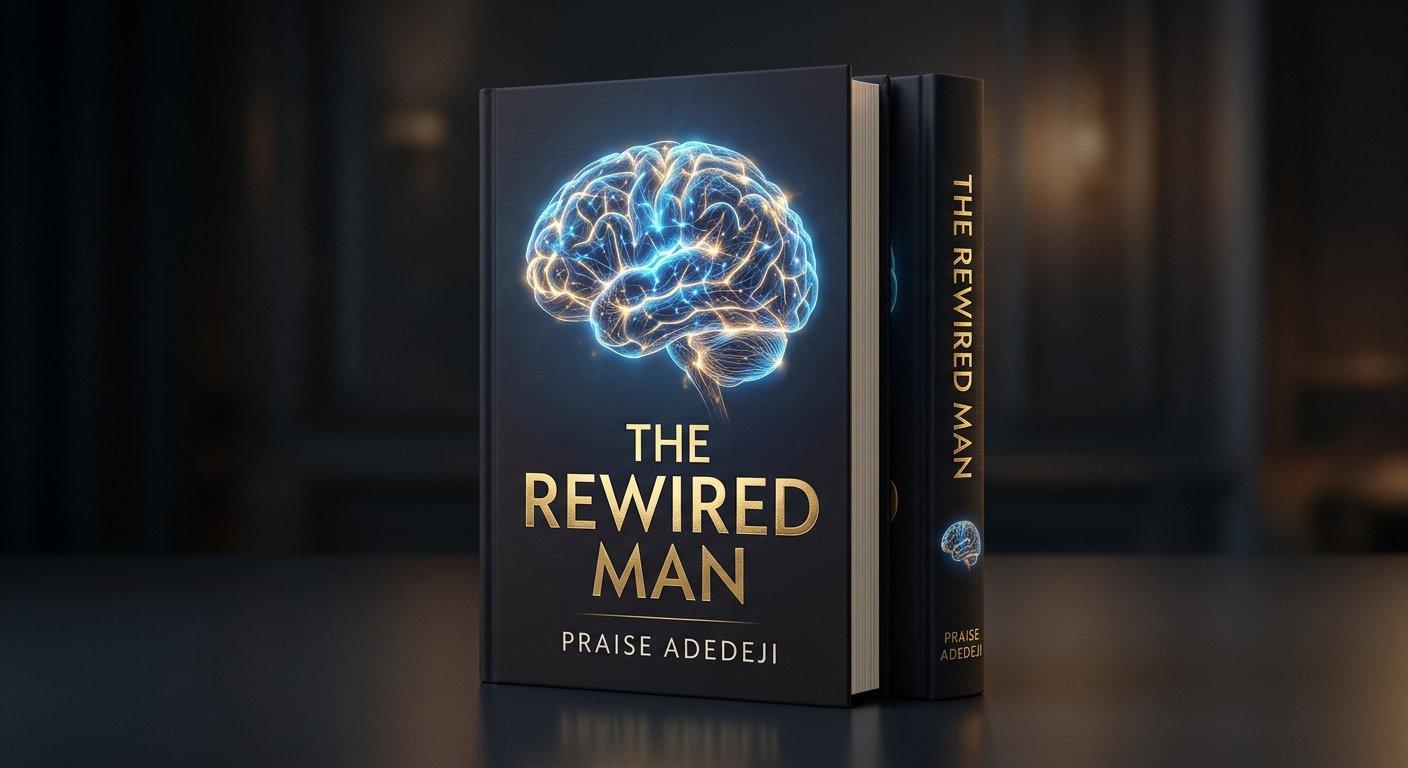
Inside The Rewired Man, you'll discover:
-
1
The Rewiring Revelation Pg. 4
The plain-language explanation of exactly what pornography is doing to your brain's desire and loyalty systems that nobody has ever shown you before. Not in church. Not from your father. Not from any accountability partner. This section alone will change how you understand the problem — and why you have failed to solve it until now. When you understand what is actually happening in your brain, the path out becomes clear for the first time. -
2
The Pattern Interrupt Protocol Pg. 18
A 4-step sequence to execute the moment any trigger appears — combining Yoruba ancestral grounding wisdom with behavioural science — so the urge no longer controls you. This is the tool that worked on Day 6 for me. Not willpower. Not prayer as a replacement for strategy. A specific, learnable, repeatable sequence that you can use in the moment, anywhere, without anyone knowing. The urge comes. You run the sequence. The urge passes without becoming action. -
3
The Trigger Identification Map Pg. 24
A structured exercise that walks you through identifying your personal top 3 triggers, mapping the unmet emotional need beneath each one, and installing a specific alternative response before the trigger even appears. Because the trigger is not the screen. The trigger is the emotional state that sends you looking for the screen. This section targets the root. -
4
The Loyalty Restoration Journal Pg. 31
21 hyper-specific, sensory daily prompts that rebuild genuine desire and emotional attachment for your real partner by training your brain with irreplaceable real details that fantasy can never contain. This is the exercise that broke me open on Day 10. Each prompt goes deeper than the one before. By the end of 21 days, your brain will have been deliberately retrained to desire what is real, specific, and yours. -
5
The Natural Reset Shopping List Pg. 47
The complete Yoruba ancestral wellness protocol — scent leaf (efirin), bitter leaf (ewuro), barefoot grounding on natural earth, screen-free sleep hygiene, and morning movement — with a plain-language biological explanation of exactly what each practice does in your body and brain. Everything on this list is available at your local market for less than the cost of a meal. -
6
The Demolition Letter & Freedom Letter Templates Pg. 52
Two guided writing exercises completed on Day 9 and Day 19 that use narrative structure to permanently release the old pattern and formally cross you into your new identity. The Demolition Letter confronts and releases the old self. The Freedom Letter addresses the man you are already becoming. Men who complete both letters describe them as among the most powerful things they have ever written. -
7
The 21-Day Daily Tracker Pg. 58
Morning and evening check-in pages for all 21 days — tracking urge level, trigger category, protocol execution, and emotional connection score. Every single page includes the emergency relapse reminder, so that if you stumble at any point during the 21 days, you know exactly what to do and you stay inside the protocol instead of spiralling into shame and quitting.
Real Men. Real Results.
Comments from men who have completed The Rewired Man Protocol
See, I was the kind of man who would fast three days and fall on day four. That cycle was destroying me spiritually and emotionally. Every relapse after a fast felt like I was betraying God on a new level. The thing this guide made me understand — and this changed everything — is that I was fighting a brain problem with only spiritual tools. Both matter. But you need both. The Pattern Interrupt Protocol is not complicated. It is four steps. But those four steps gave me something to DO in the moment when the urge arrived, instead of just trying to outlast it with willpower. I dey tell you, the urge dem still come. But now when dem come, I have a response. And the urge passes. That is the difference. My wife noticed something different about me and she has not said what — but I catch her looking at me sometimes like she is rediscovering who she married. Worth every naira.
I am a worship leader in my church. I have been standing in front of the congregation every Sunday carrying this secret for four years. The gap between the man they see on Sunday and the man alone with his phone — I nearly broke under that pressure. I heard about this guide through a friend who completed it and I downloaded it the same night. The Loyalty Restoration Journal section. I need to speak specifically about that section. Day 10 prompt made me think about my fiancée's voice when she is excited about something and I cried for almost ten minutes. I am not ashamed to say that. That crying was healing. Genuine feeling was returning. It was not gone. It was just buried under nine years of training my brain to want the wrong things. This protocol unburied it. I completed all 21 days. I am getting married in three months. I feel ready in a way I did not know a man could feel ready.
I almost didn't buy this because I thought — another Christian self-help thing that will tell me to pray more. This is NOT that. This is practical. Scientific. But also deeply rooted in who we are as African men. The efirin tea, the barefoot grounding — I felt foolish doing those things at first. By Day 8 I understood why Papa Kehinde included them. The barefoot grounding especially — something happens when you take your shoes off and stand on actual ground for fifteen minutes in the morning with no phone. I cannot fully explain it but my head gets quiet in a way that it doesn't get quiet otherwise. I have not relapsed since Day 3. I have been done with the 21-day protocol for six weeks. My wife says I have come back. That is how she described it. "You have come back." That is enough testimony for me.
I was secretly terrified that pornography had broken my ability to be faithful before my marriage even started. The thoughts that were coming — about other women, the ease with which they came — I did not tell anyone. Not my pastor, not my best friend. I was carrying that alone. When I read Section 1 of this guide — The Rewiring Revelation — and I understood that these thoughts were a symptom of a brain that had been systematically trained, not evidence that I was fundamentally a bad man — something lifted. I could take a breath properly for the first time in years. The protocol gave me a practical path. The natural wellness practices grounded me physically. The identity declaration — I felt awkward speaking those words out loud on Day 15. By Day 21 I felt them in my bones. My girlfriend said I seem more solid. More like myself. Like I have settled into something. That is exactly how I feel. Solid. Get this guide. Do the work. It is worth it ten times over.
Here's What The Rewired Man Is Worth
When You Order Today, You Also Get These Two FREE Bonuses:
Available exclusively to the first 30 men who pay at this discounted price. After spot 30 is filled, these bonuses will not be available at any price.

A standalone one-page tool that walks you through constructing your personalised 5-component present-tense identity statement — the exact declaration you will speak out loud every morning from Day 15 onward to cement who you are becoming. Your identity declaration is not generic affirmations from a self-help book. It is built from YOUR specific story, YOUR specific freedom, YOUR specific commitment to the woman you love. This tool builds it with you, piece by piece.
A clean, printable one-page reference card containing your complete daily, weekly, and monthly maintenance rhythm to carry you beyond Day 21. Because freedom is not a destination you arrive at and then park. It is a posture you maintain. This card tells you exactly what to do every day, every week, and every month to make sure your freedom never slips back into old patterns. Print it. Put it somewhere you see it every day.
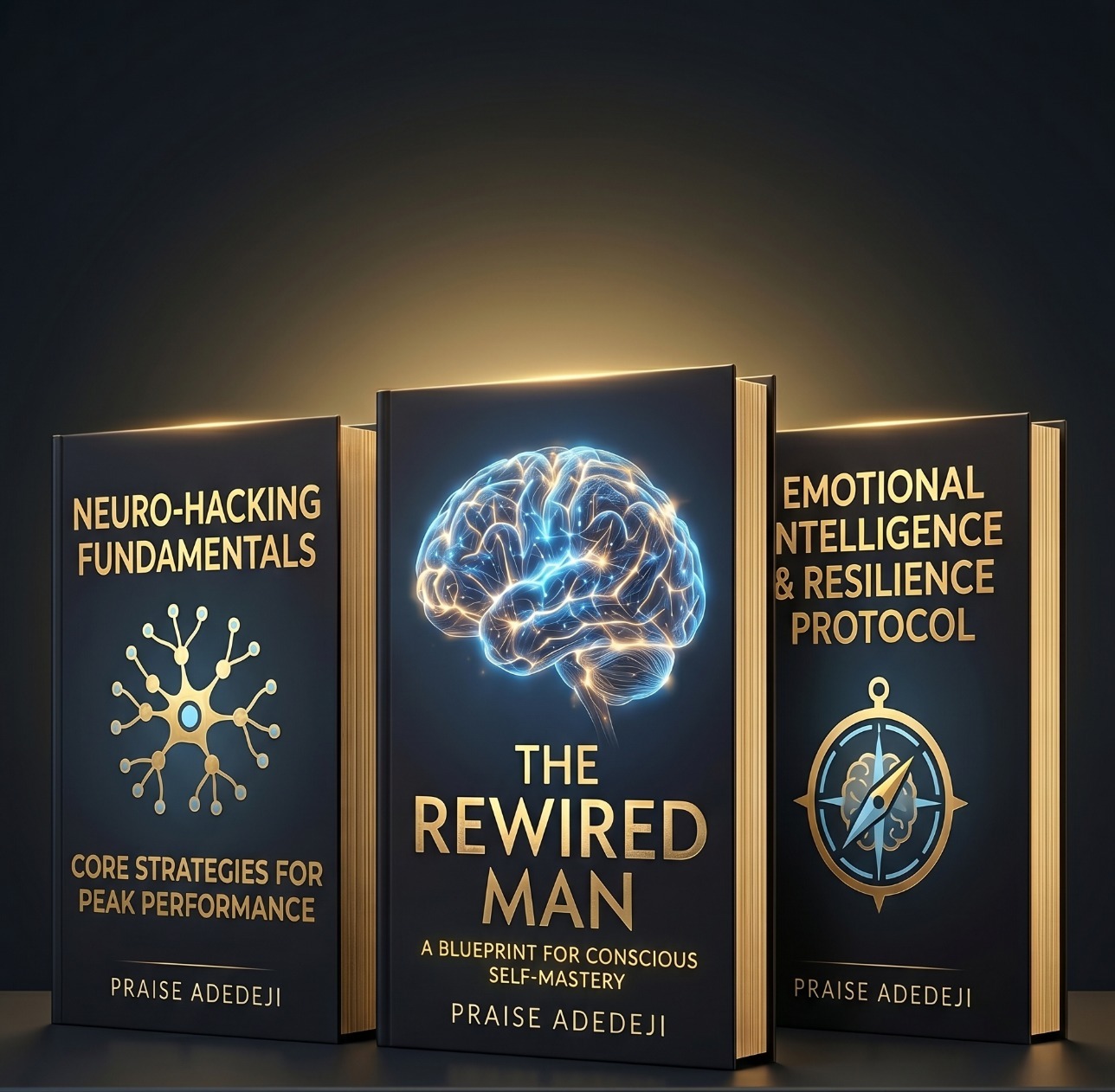
Men Are Joining Right Now

My Personal Guarantee To You
Use the full 21-Day Protocol. Do every exercise honestly. Follow the daily tracker. Drink the efirin tea. Do the barefoot grounding. Write both letters. Speak the identity declaration out loud from Day 15.
If you complete all 21 days honestly and see no meaningful shift in your urge levels, your emotional connection to your partner, or your sense of identity — message me directly for a full refund.
No arguments. No questions. No shame. No forms to fill.
I make this guarantee with complete confidence because in over 60 men who have followed this protocol with honesty and consistency, I have not had to give a single refund. Not one.
The protocol works. I am that confident. The only risk here is that you close this page without trying it.
More Men. More Results.
From men who are now living on the other side of this problem
I got married six months ago and I was terrified going into it. The habit had been with me for eight years. My wedding night was one of the most anxiety-filled experiences of my life because I was not sure I could be present — genuinely present — with my wife. I found this guide three weeks before our wedding date. I completed the 21 days. Our wedding night was nothing like what I feared. My wife, on our third day of honeymoon, held my face and said: "You are really here with me. Thank you." She did not know what those words meant to me. They meant I had made it. I was there. Fully there. That is what this protocol did for me.
The thing that got me was the Trigger Identification Map. I always thought my trigger was boredom. But when I followed the exercise in the guide properly, I found out the actual trigger was loneliness — a specific kind of disconnection I felt when work was stressful and I had not spoken honestly to anyone in days. Once I identified the real trigger and mapped the unmet need, the response stopped feeling like willpower and started feeling like meeting an actual need in a healthy way. I haven't relapsed in 34 days. My fiancée says I call her differently now — more open, more present, less distracted. She is right. I am.
I am going to be honest — I almost did not write this comment because talking about this stuff publicly still feels vulnerable. But I owe it to other men who are in the place I was. I was in church leadership and I was fighting pornography addiction in secret for six years. The shame of the gap between my public role and my private struggle was destroying me emotionally. I completed the 21-Day Protocol. The Demolition Letter on Day 9 — I wrote for two hours. I said everything. Confronted everything. When I finished, I sat back and I could feel something physically release in my chest. The Freedom Letter on Day 19 — I could barely read it back because I was crying. My wife asked me what I had been doing differently and I told her I had been working on myself. She said: "Whatever it is — keep doing it. You seem more at peace." I am. This guide gave me that.
I am from Osogbo same as Tunde so when I read that the protocol came from Papa Kehinde — I know who that man is. Everyone in our community knows him. And when I understood that this was built on the kind of wisdom our elders actually lived, I trusted it immediately. The efirin tea I was already making sometimes for other reasons. The barefoot grounding — my grandfather did this every morning of his life. He was married to my grandmother for 51 years. Maybe he knew something. I completed the full 21 days. My desire for my wife is more genuine, more specific, and more consistent than it has been since we got married three years ago. I did not expect that. I expected to manage the addiction. Instead I got my genuine feelings back. That is more than I asked for.
The loyalty thoughts were what scared me most. The way unwanted thoughts about other women were arriving easily — that was the thing I could not tell anyone. I thought it meant I was fundamentally disloyal. This guide explained clearly that those thoughts are a symptom of a brain that has been overtrained on novelty and variety — they are not a character verdict. That distinction alone changed my relationship with the thoughts. I could see them for what they were: symptoms of a brain problem that had a brain solution. The Loyalty Restoration Journal retrained my brain over 21 days to find genuine desire in specific, irreplaceable details about my fiancée. By Day 16 the unwanted thoughts had lost their sharpness. They still came, but they came without the pull. By Day 21 they were background noise I could dismiss in seconds. My fiancée noticed a change in how I look at her. She said I look at her like she is the only person in the room. She is.
Right Now, You Have Two Choices.
Get The Rewired Man. Follow the 21-Day Protocol honestly. Use the Pattern Interrupt when the urge comes. Write in the Loyalty Restoration Journal every single day. Drink the efirin tea. Stand barefoot on the earth every morning. Speak the identity declaration out loud. Write both letters. Complete all 21 days. And walk into your marriage — or deeper into your existing marriage — as the man she deserves. Present. Loyal. Genuinely free. The man who does not have to fight himself every night. The man whose desire for his real partner is warm and genuine and specific. The man whose fiancée calls him and says: "You feel different. You feel like you are actually here."
Keep fighting alone. Keep starting over after every relapse. Keep deleting apps and finding workarounds in hours. Keep sitting in church on Sunday carrying the weight of what happened Friday night. Keep watching the gap between your real partner and the screen getting wider. Keep hoping willpower will eventually be enough. Keep waiting for something to change without changing what you are doing. Maybe God put this page in front of you today for a reason. Maybe He didn't. You decide.

One last thing before you go.
I sat under that mango tree in my mother's compound feeling like there was no way out of the thing I was carrying. Papa Kehinde sat down beside me without being invited and asked me why I looked like a man walking into a prison.
He didn't judge me. He didn't preach at me. He just gave me the truth about what was happening in my brain — and then gave me a practical path out.
This guide is me sitting down beside you. Uninvited. Because you need someone to.
The man she deserves is already inside you. He just needs his brain back.
— Tunde
The Rewired Man Blog | Osogbo, Osun State
I don't even know how to write this comment properly. I have been fighting this thing since university — so that is almost 7 years. Prayer, fasting, deleting apps — I have done all of them and failed so many times that I stopped counting. What shook me most was realising my fiancée was not reaching me emotionally. She would say something sweet and I would feel... nothing. Like the signal was blocked. After Day 10 of this protocol, that blockage shifted. By Day 18 she actually called me and asked what I had done with myself because I seemed more present. She said that. On her own. I am not exaggerating. This guide explained to me what was actually happening in my brain in a way no pastor, no YouTube video, and no accountability group ever did. Buy it. Be honest with the exercises. Do every day. The results are real.